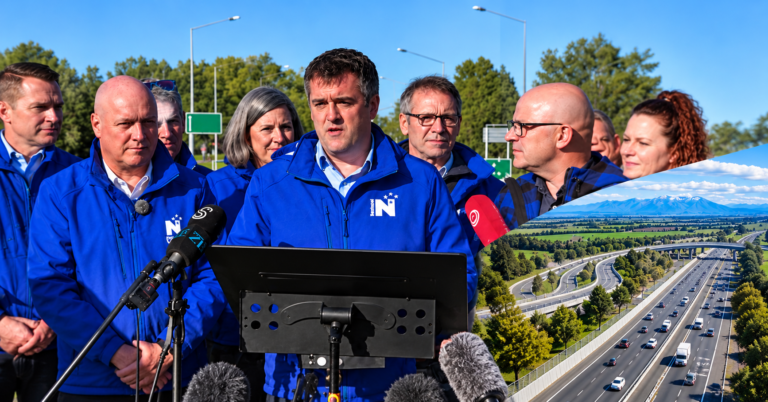
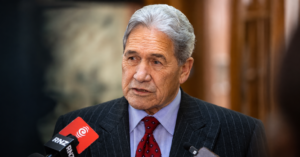
 Auckland (The NZ Today) New Zealand First leader Winston Peters has announced a new election policy that would restrict access to New Zealand Superannuation to citizens only from 2029, arguing the retirement scheme should prioritise those with a long-term commitment to the country.
Under the proposed policy, migrants who hold resident or permanent resident status but have not become New Zealand citizens would no longer qualify for NZ Super.
Peters said the policy was about protecting the future affordability of the scheme and ensuring fairness for New Zealanders who have spent decades working and paying taxes.
He argued NZ Super was created to support people who had contributed to the country throughout their working lives, including those who left school young and worked for decades before retirement.
“With our growing older population and increasing costs of super on taxpayers, how is it fair that the tax burden of supporting seniors now goes to paying for the full retirement of someone who has migrated to our country and only lived and paid taxes for sometimes less than half the time?” Peters said.
NZ First said the current rules allow people who are not citizens — including some resident visa holders — to qualify for NZ Super if they meet existing eligibility requirements.
The party argued this creates pressure on taxpayers, pointing to the rising cost of superannuation payments to older migrants.
According to NZ First, payments to people who became New Zealand residents aged 50 or older reached more than $1 billion annually, increasing from around $500 million in 2015.
Peters said immigration levels had changed significantly since NZ Super was established in 1977, with New Zealand experiencing large population growth through migration over recent decades.
The party estimates around 650,000 people have moved to New Zealand over the past 20 years, arguing this has increased the future financial pressure on the retirement scheme.
NZ First said the proposed change would include a three-year transition period before taking effect.
Peters said those wanting access to NZ Super would need to demonstrate a stronger commitment to New Zealand by becoming citizens.
The announcement is likely to reignite debate around immigration, citizenship, and the future cost of retirement support, with critics expected to question whether citizenship should be the deciding factor for a benefit funded through taxes paid by both citizens and non-citizens.
NZ First says the policy is aimed at “economic fairness” and ensuring the scheme remains sustainable for future generations.
Source: NZ First policy announcement.