 Auckland (The NZ Today)
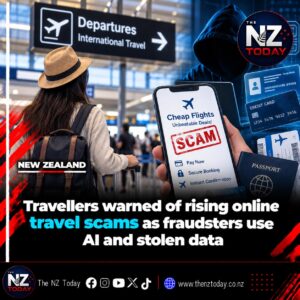
Travellers are being warned to stay alert against increasingly sophisticated online scams, with fraudsters using artificial intelligence and stolen personal information to create fake messages and websites that appear genuine.
Cybersecurity experts say scammers are becoming more advanced, particularly in targeting people while they are planning or undertaking travel, using details such as booking information and personal data to make their fraud attempts look convincing.
One growing scam method is known as “reservation hijacking”, where criminals impersonate hotels and contact guests claiming there is an issue with their booking payment.
In some cases, scammers use real booking details, including travel dates and accommodation information, to make the message appear authentic. Victims are then asked to make another payment through a link provided in the message.
Experts advise travellers not to use payment links received through unexpected messages. Instead, they should contact the hotel directly using contact details from the official website or booking platform.
Another common tactic involves fake flight cancellation or delay messages. Travellers may receive alerts claiming their flight has been cancelled and that they need to pay additional fees to change their booking.
Passengers are advised to verify any updates directly through the airline’s official website or app and avoid clicking on links sent through unknown text messages or emails.
Security experts are also warning travellers against sharing images of boarding passes, flight tickets or travel documents on social media.
They say QR codes and barcodes on boarding passes can contain information linked to a person’s journey, which could potentially be misused by criminals.
QR code payment scams are also becoming more common, with fraudsters sometimes placing fake stickers over genuine QR codes at restaurants, cafes or public places to redirect payments to fraudulent websites.
Travellers are advised to check QR codes carefully and confirm with staff if anything appears unusual before making a payment.
Public Wi-Fi networks are another area of concern, with scammers creating fake networks that closely resemble legitimate airport, hotel or café Wi-Fi services.
Connecting to these networks can expose personal information or allow criminals to gain access to devices, experts warn.
Travellers using public Wi-Fi are advised to avoid accessing sensitive services such as online banking or personal email accounts unless they are using a secure connection.
The warning comes as online fraud methods continue to evolve, with experts urging travellers to verify messages, avoid rushed payments and rely only on official travel platforms.